Let me just say this: there is no good or bad way to travel – just as there is no “exotic” or “mundane” experience in it. Sometimes I wonder if consumerism is the sorcerer that conjures up this endless stream of ridiculous adjectives for something as simple as travel – something that doesn’t need them – for ordinary people to whom it comes as naturally as food or sex, often even becoming a prerequisite for both.
It’s not hard to see the sorcerer has an agenda. He is on the payroll of giant conglomerates that want you to believe you could live a fuller life – if only you could forget what you instinctively understand – if only you have a pocket deep enough – to consume more. So he creates an array of hypnotizing images of commercial districts in distant lands to manufacture desire and maximize spending.
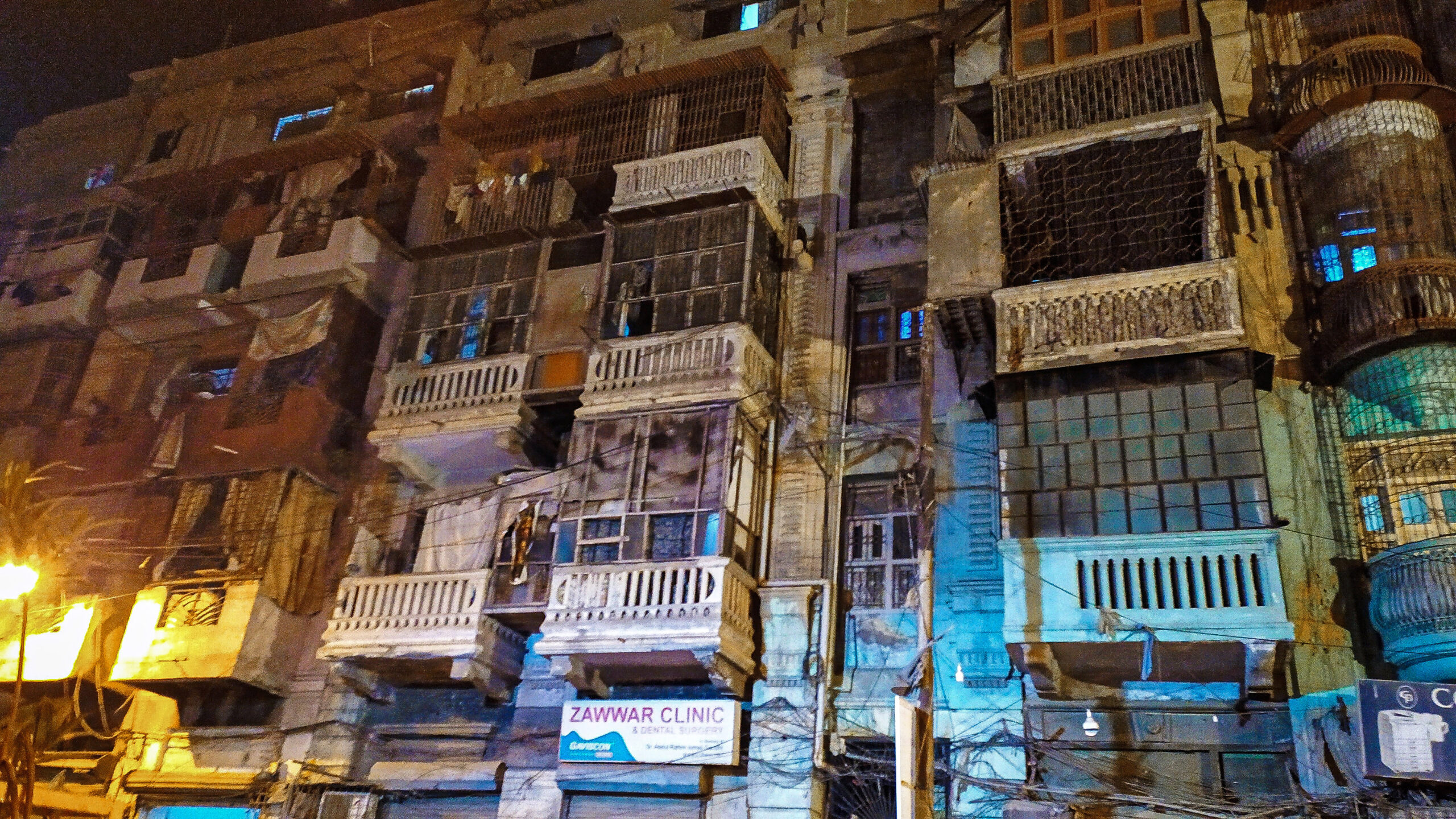
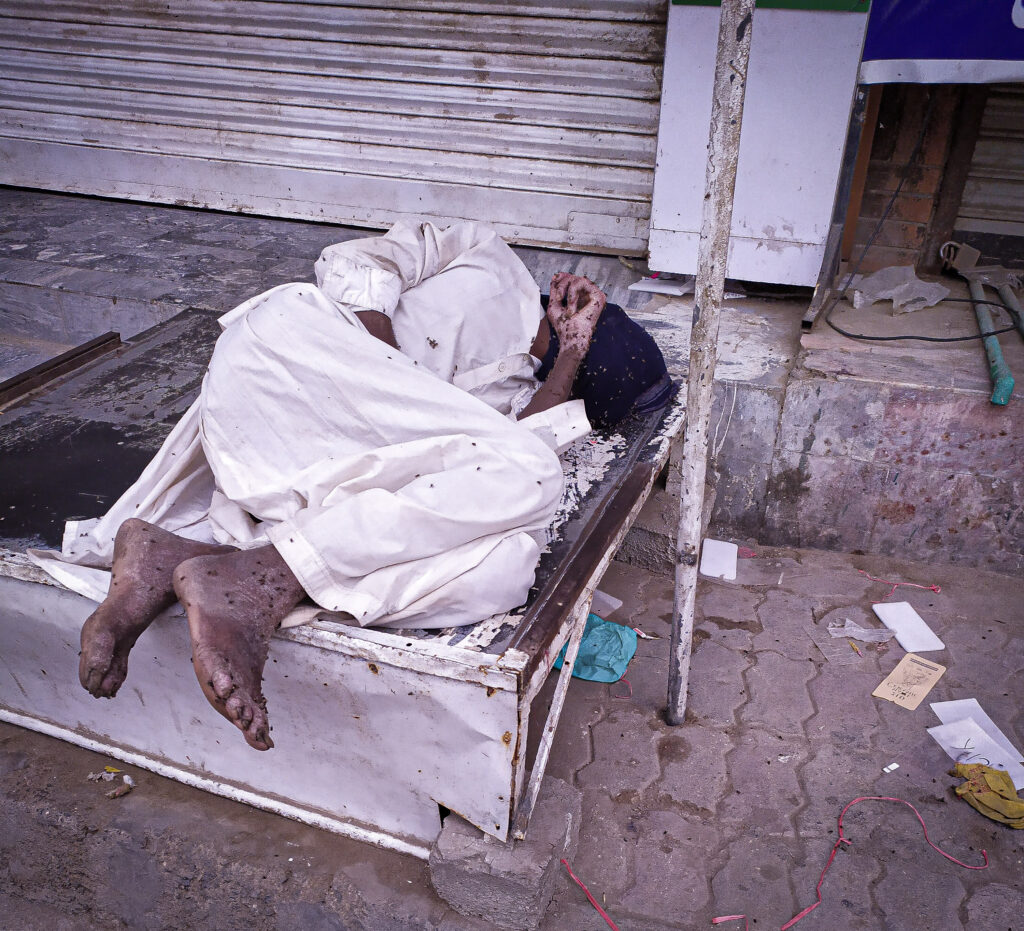
What’s unfortunate is that such images always – almost methodically – exclude the backstreets and alleyways, where the mundane is taking place.
Would you really risk missing out on the “exotic”? the sorcerer asks. And without fully understanding the malignancy of the question – which, as framed, only invites a resounding “no” – we nod along and seek comfort in his hypnotic world.
Are we too blind to notice the manipulation, the malignancy, the exploitation, the deception?
Travel doesn’t lend itself to being neatly divided into “exotic” and “mundane.” This framing is intentionally employed by agents and beneficiaries of capitalism to subtly pressure people into chasing the exotic, as if failure to do so somehow diminishes the journey. Still, the division offers a useful entry point for my counterview.
For me, travel is an extension of the mundane – a spectrum of unfiltered experiences stretching between the exotic and the not-so-exotic.
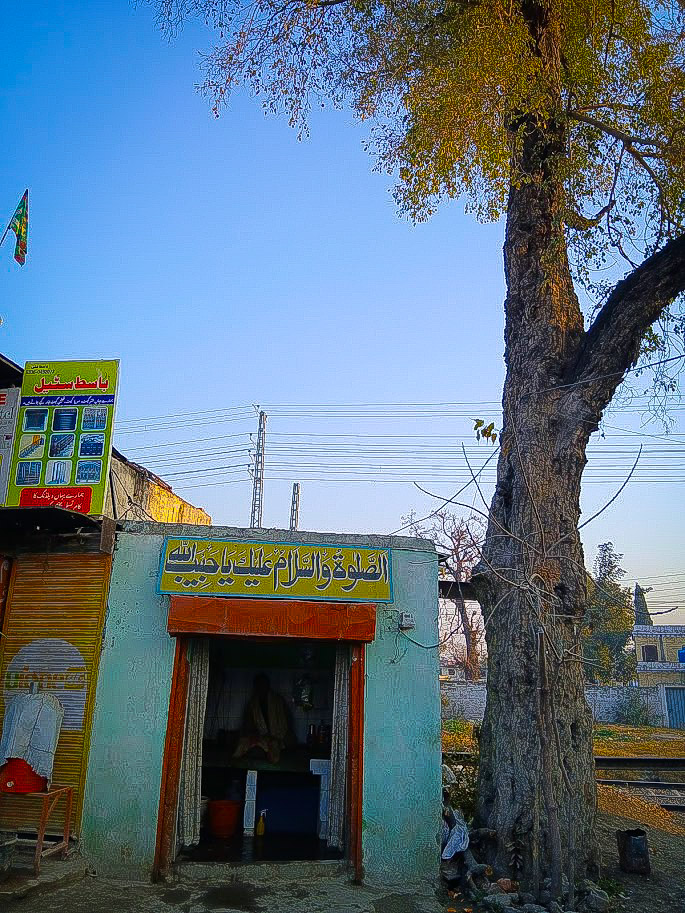
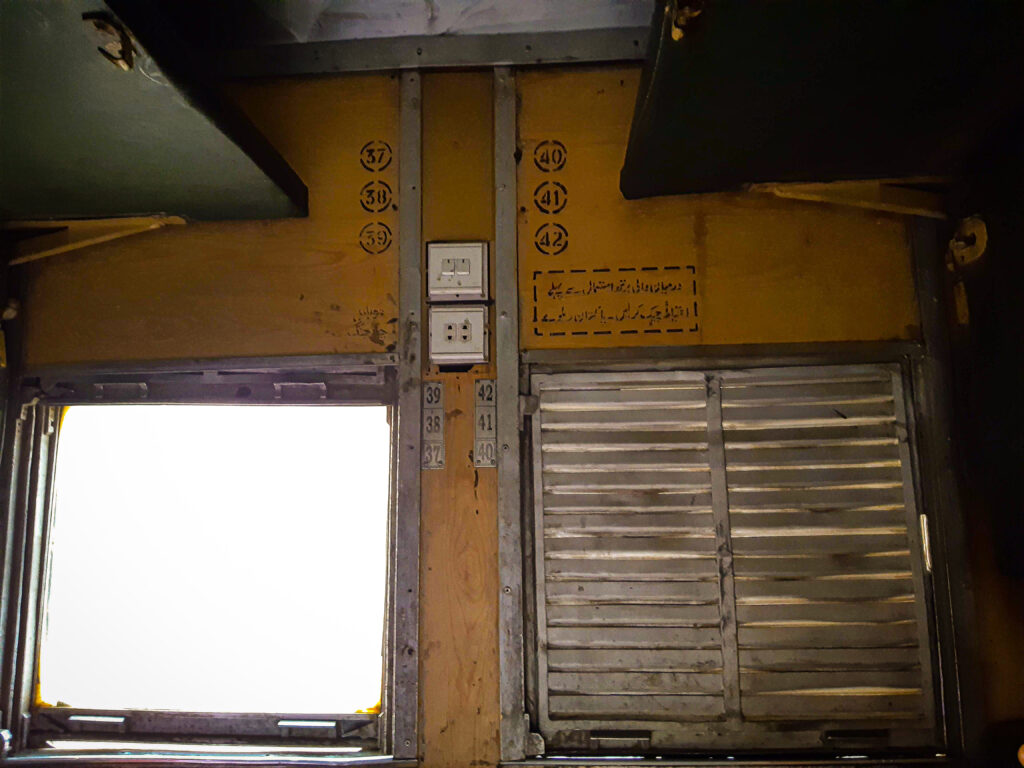
The figures that populate this spectrum are not rare. They are everywhere. A bus ride brings you face to face with individuals carrying what feels like ancient, unspoken knowledge. Urban centers are filled with men quietly enduring chaos, homesick for their peaceful, distant villages. There are small-time teachers who sit across from you on a train whose influence echoes far beyond their modest circumstances, and tradesmen – like a butcher waiting under a Neem tree in a modest shop – for whom the day’s rhythm is dictated not by aspiration, but by arrival: of the distributor, the meat, the customers.
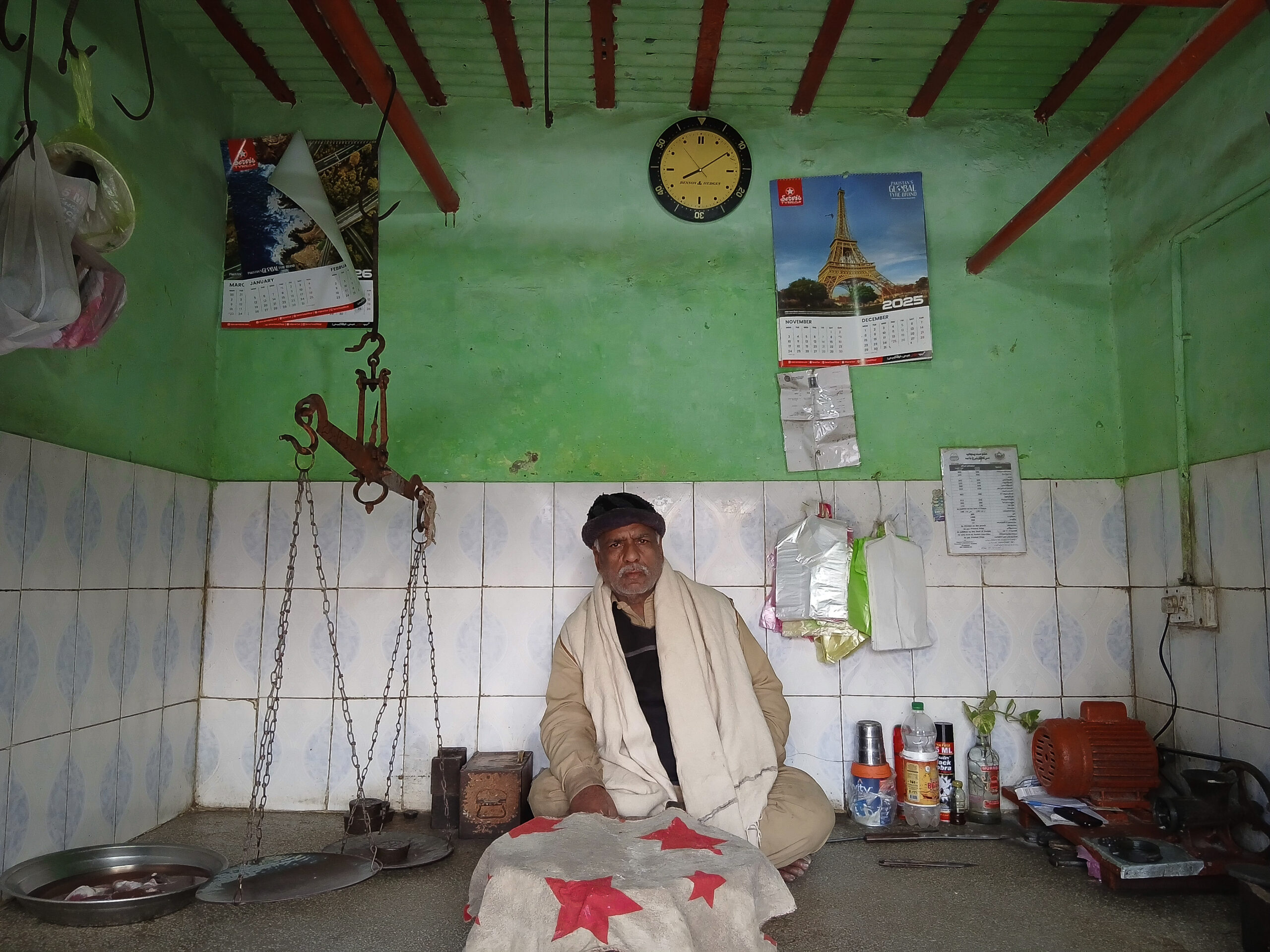
What I mean is that this butcher under the Neem tree will never regard your itinerary – the need to reach somewhere and check items off your bucket list. He simply sits barefoot and cross-legged, an abundance of calendars hanging above and a rusty mechanical balance beside him, an air of mystery surrounding him, a woollen shawl draped over his stocky shoulders, in his tiny shop, splashed in delightful turquoise and rust colors in a small bazaar next to the railway lines in old Rawalpindi.
He demands your attention right now, at this very moment.
Soon, the soft morning light will shift; the distributor will arrive. The idle butcher will become a busy butcher, hiding himself – and his cheap calendars and delightful walls – behind a thick curtain of beef carcasses hanging from the front hooks. You will not catch him on your way back – if that is what you had in mind – because by then he will be lost in the cacophony and bustle of the bazaar.
To assume he can be revisited later is a mistake. He cannot. And perhaps there is a quiet, inevitable penalty in this – not merely for being preoccupied with checklists and destinations, but for compulsively seeking the exotic while the very thing we are searching for sits, unacknowledged, in the guise of the mundane right under our nose.