
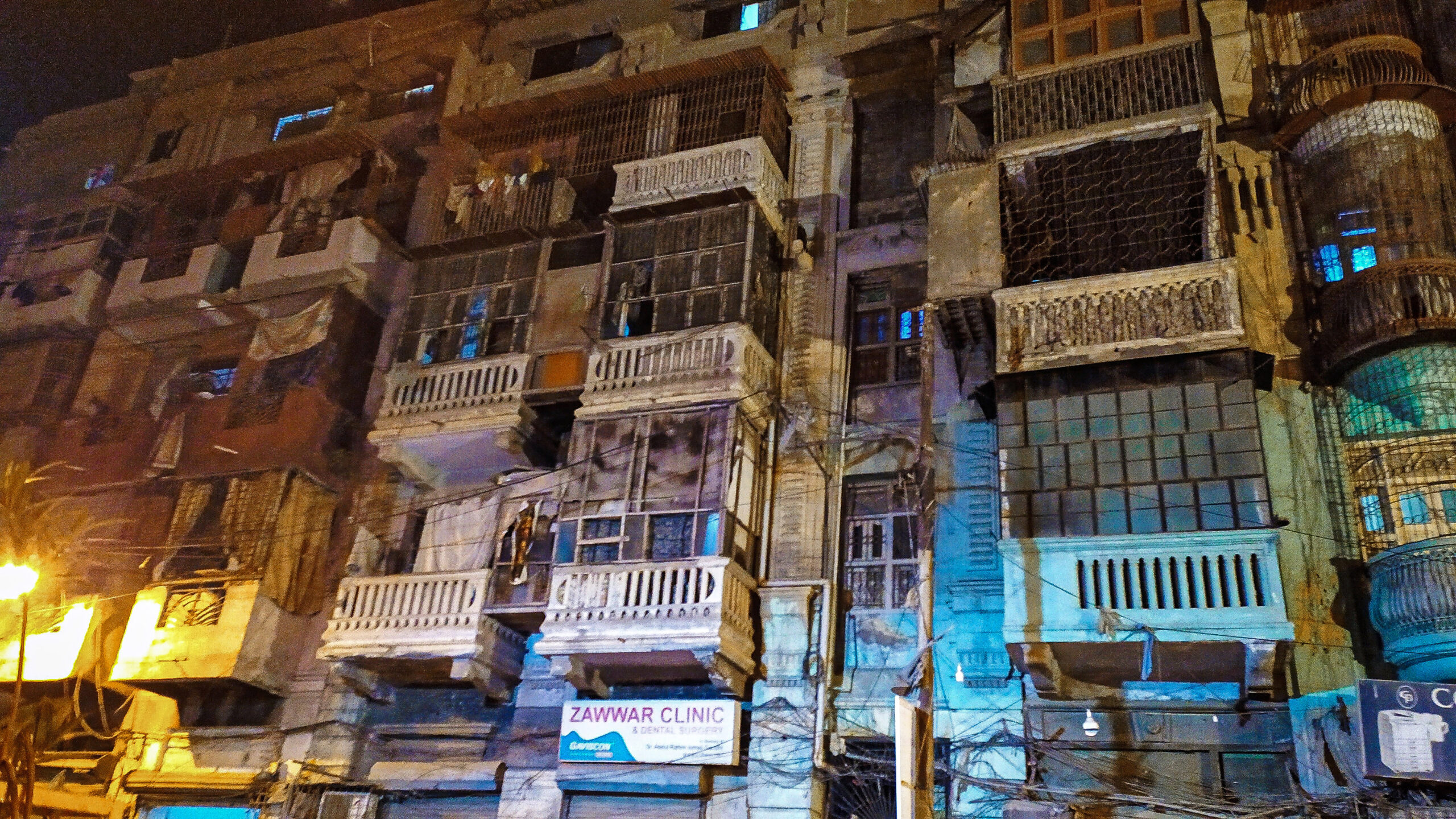
Much of my knowledge about the world is derived from peeking through windows. They are made of glass and plywood, flesh and bone, brick and mortar, cast iron and air, and exist just about everywhere I have been, opening portals into other dimensions. It feels voyeuristic to look at something so intimate – someone so vulnerable – without knowing anything about them. It becomes a secret you would carry as you move swiftly from one window to the next, collecting more. The joy of seeing what you are not supposed to keeps you lightheaded, almost dizzy – until those secrets weigh you down and transform you into someone else. It’s exactly that someone else who is writing this blog.
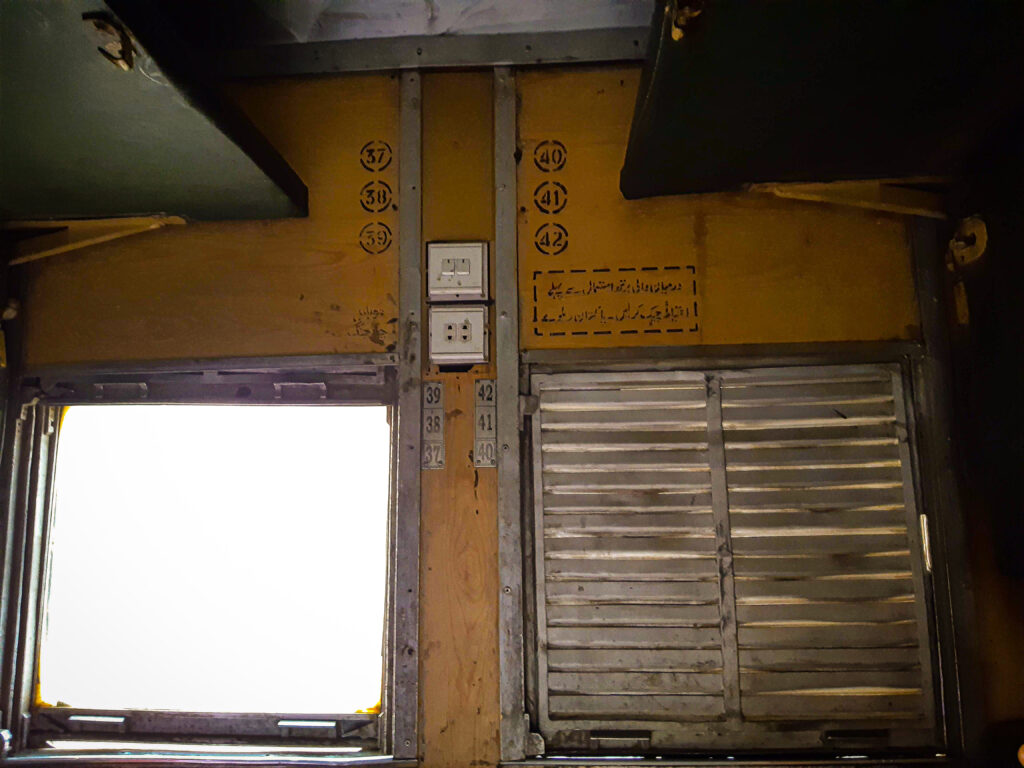
Imagine, for a while, you are a Peeping Tom like me – curious about every window you come across, wondering why it’s there, gripped by a quiet, almost painful curiosity about what might be happening behind it. These are not the kind of windows that draw their curtains or swing shut when they sense someone lurking. These are windows that want be looked into – offering a tantalizing view of exhibitionists of circumstance, constantly exposing themselves, curled in strange positions in remarkable places. Windows most people are too busy to notice, revealing lives that are quietly unfolding while the rest of us rush to get somewhere else.
It’s not so much the window as the world it leads to. Think of it as an exotic strip club that’s only for the soul. It inspires a kind of awe: the same unsettled fascination I once felt while scrolling through Wikipedia’s page on voyeurism, where a photograph captures a young woman exposing herself in a public square in Budapest. ‘Appropriately dressed’ middle-aged women pass her by, their faces caught somewhere between disapproval and reluctant curiosity – perhaps because they notice their husbands looking.
It is an uncomfortable image. Not because of what is exposed, but because of what it reveals: that vulnerability and beauty do not have to be opposites – and that, we are all, in some quiet way, looking, even if too disapprovingly to truly see.
It requires a shift in temperament – a kind of practiced defiance – to hold your ground when these windows appear out of nowhere, when every instinct urges you to retreat. I have been there long enough not to look away when they open.
Here is the homeless man with curled, overgrown nails, covered in a blanket of flies, sleeping like an embryo on a vendor stand – as if it were the only womb he ever knew – on a sprawling square outside Rahim Yar Khan railway station. I knew instantly: that was my window, and I had to stop and watch.
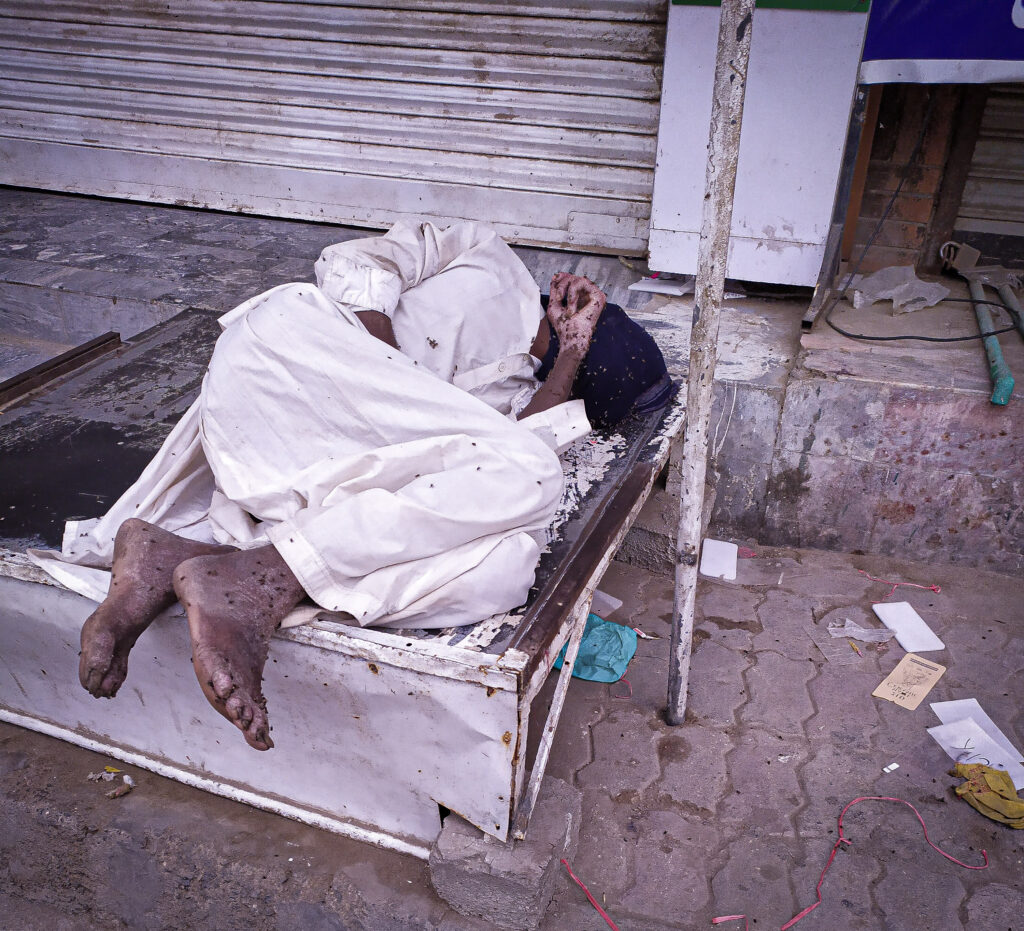
Unsurprisingly, people went to great trouble pretending he did not exist – as if he were a glitch, an aberration, an ugly patch best ignored. They changed their path or turned away while passing, their comfort unperturbed. When I took out my camera, they were almost offended – as if I had broken the fragile web of pretence they had so carefully woven.
Life as a spectator is not as hollow as motivational speakers make it out to be. “Take the wheel”, they say, fists in the air – but they fail to tell you at what cost. Being at the wheel, at times, means focusing so hard on the road that you miss the wild grass along the shoulder, dancing in the afternoon wind. They may go so far as to tell you it’s futile to water it but some would do it anyway.
Those seen watering the wild grass were thought to be insane by those who couldn’t see it dance.