
There’s nothing more contemplative than the quiet weekend mornings of my grandmother’s home where the solemn silence is only broken by the occasional distant bark of a stray dog or the delightful chirps of house sparrows inhabiting the twenty-year old Evershine tree in her front yard. It’s been over an hour since the fast has closed, everyone except Nani Ami and I has gone back to sleep off the weekend morn, and the sun has risen from somewhere you cannot tell since there are several-storeys-tall residential complexes all around our small, independent house, perhaps the only one left in the rapidly commercializing neighborhood now.

I lean on one of the many wooden takht beds placed artfully around her house and think that there are really just two ways of getting older in life; allowing the currents of time to deepen your convictions and mold you into a person with a very specific identity or letting experience wash over the rocky cliffs of Belief, defacing the defining features to turn you into an observer of events having no desire to participate in making things happen and only a vague desire to watch them take place. With every passing year, I’m drifting towards the latter way and I’ve come so far that, traditionally right or wrong, it all appears the same to me.
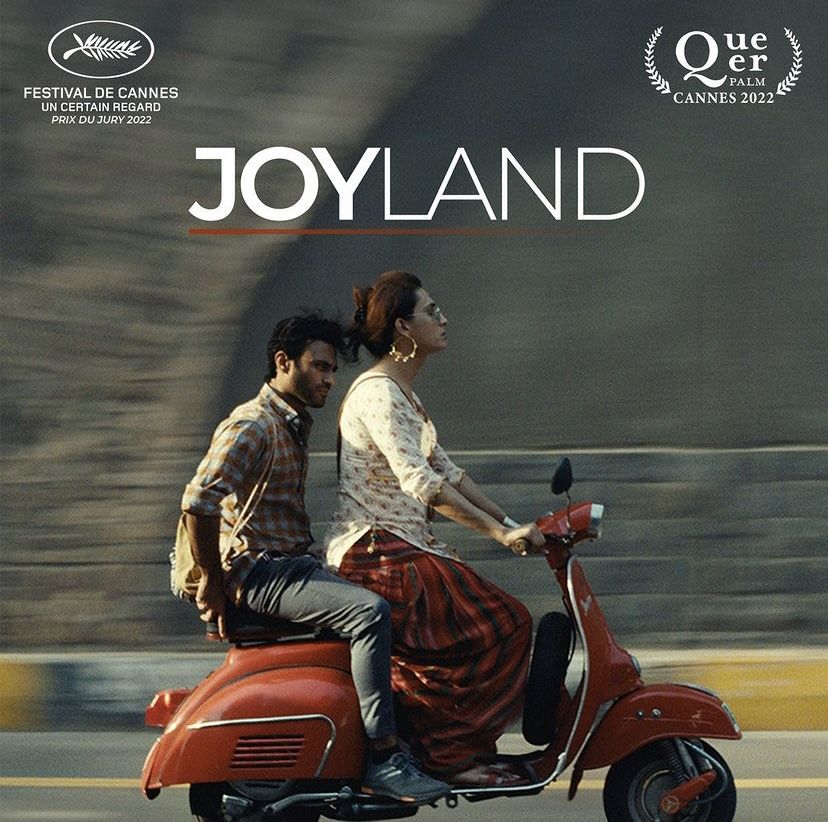
As someone with historically religious inclinations, my reaction to Joyland, a Pakistani movie hailed in the West and banned in Pakistan for exploring the taboo of transgender love, even shocked me too. In the aftermath of the movie release, I remember failing to take a side in the debate that ensued over the ‘morality’ of the movie’s content in particular and the legitimacy of LGBTQ movement in general. I watched in fascination as friends and family attacked it vociferously for promoting vulgarity, and wondered if they had derived all that passion from their faith, upbringing, education or experience. For me, it was a story that was artfully narrated; and stories are simply above right and wrong. For most people though, this comment of mine was merely an escape from a conversation that demanded one to pick a side, and that I lacked original opinions on complex subject matters.

Increasingly, I have come to believe this to be true. In order to have an opinion on something, you have to have a compass which, like all functional compasses, should tell you one direction instead of several. I had that compass once but it was so self-righteous and intolerant (also, it broke a precious heart) that somewhere along the way, I think I just chucked it. There’s a cost to it though: if you’re too sympathetic of a kaleidoscope of opinions to pick one and eliminate the rest, you’re simply just inconsequential. As mortals, shouldn’t we all afraid to be precisely that, inconsequential?
Am I?


